How to Remove Water Mask: The Ultimate Guide for Clean Visuals
You have finally located the perfect image or video clip for your project, only to find it obstructed by an intrusive logo, date stamp, or text overlay. This common hurdle can bring your creative workflow to a grinding halt. Nothing ruins the aesthetic appeal of a professional presentation or a social media post faster than a distraction that screams "unlicensed" or "amateur." The presence of these markings renders otherwise high-quality assets virtually unusable, forcing you to either compromise on quality or waste valuable time searching for alternatives.
However, you do not have to discard that perfect shot. Restoring your visuals is easier than ever thanks to advancements in image processing technology. If you need to remove water mask elements using one-click AI solutions or require the granular control of professional editing software, there is a method effectively suited to your skill level. This guide explores the most powerful techniques to help you reclaim your visual assets and maintain a clean, professional standard across all your media.
Leveraging AI Tools to Remove Water Mask Instantly
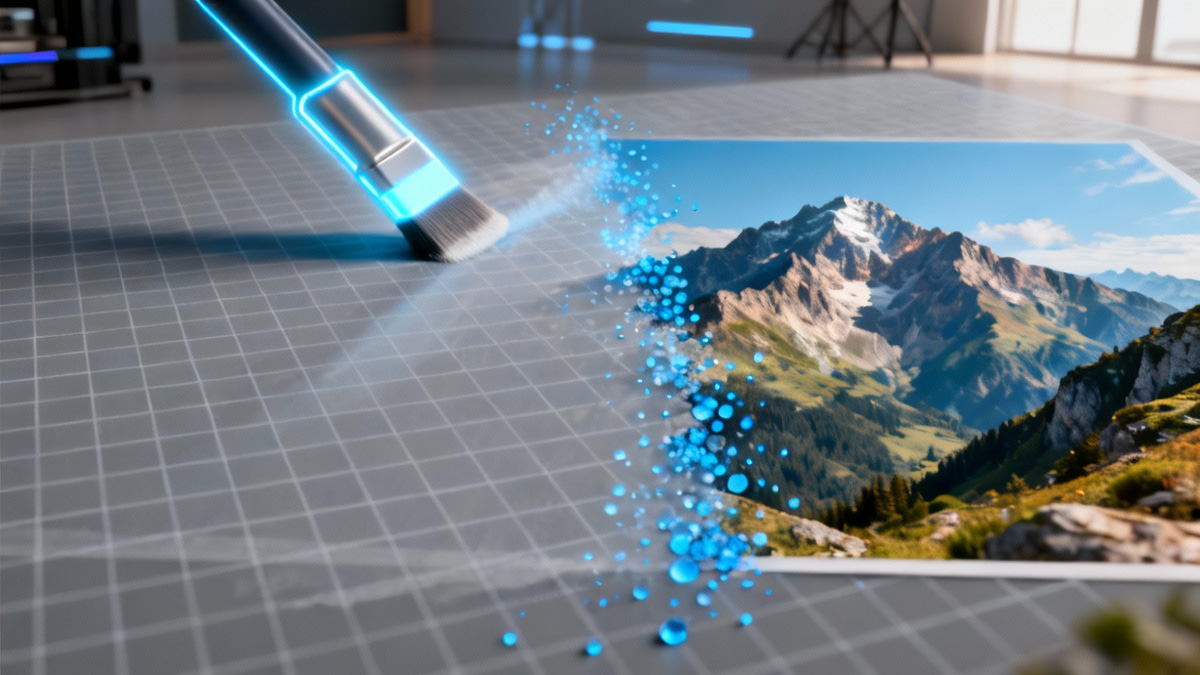
The landscape of photo editing has shifted dramatically with the introduction of generative AI. Modern tools designed to remove water mask overlays utilize deep learning algorithms, specifically Inpainting technology. Most tools traditional tools that simply blur the area, these AI models analyze the surrounding pixels—texture, lighting, and color gradients—to predict and reconstruct what the image should look like behind the unwanted object.
For users prioritizing speed, browser-based AI removers are often the best choice. Tools like WatermarkRemover.io or HitPaw analyze the image and automatically detect the mask layer. The process typically involves uploading the file, highlighting the mask area (if not auto-detected), and allowing the server to process the removal. The advantage here is speed and ease of use; however, be mindful of compression quality when downloading the final result.
Precision Manual Removal via Photoshop
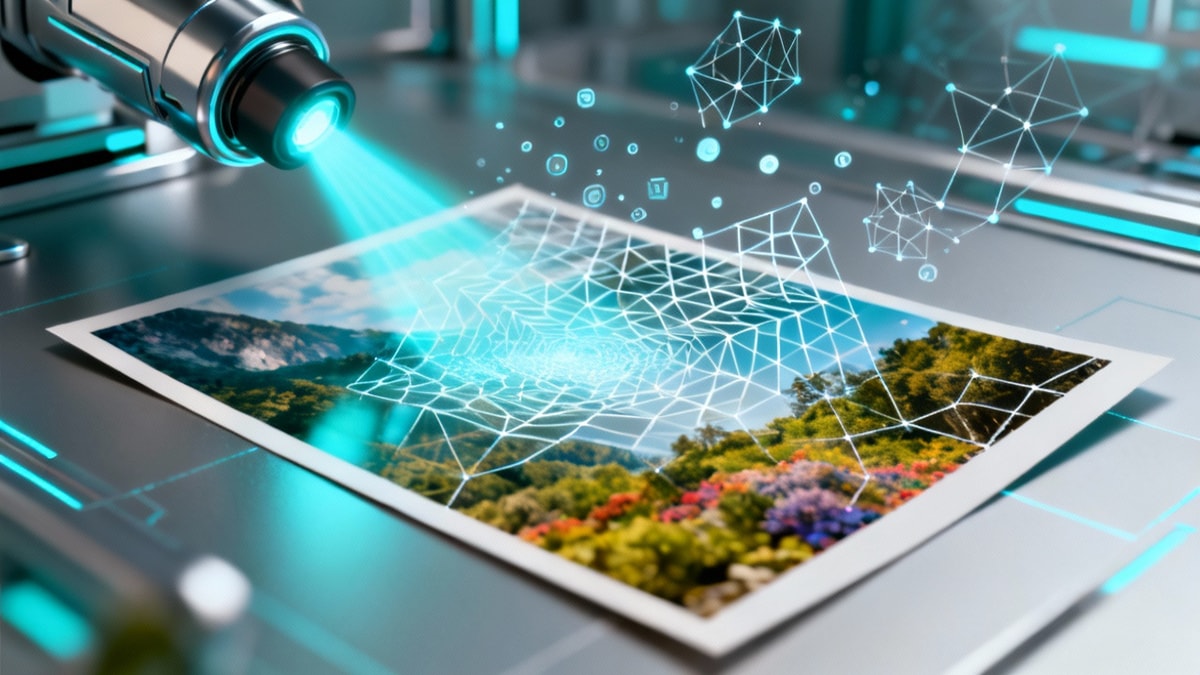
While AI is fast, it is not always perfect, especially when the water mask covers complex details like facial features or intricate patterns. For professional-grade results, manual removal using software like Adobe Photoshop remains the gold standard. This approach gives you pixel-level control over the restoration process.
To effectively remove water mask artifacts manually, utilize the Clone Stamp Tool and the Healing Brush. The Clone Stamp allows you to sample exact pixels from a clean area of the image and paint them over the mask. The Healing Brush takes this a step further by blending the texture of the sampled area with the color and luminosity of the target area.
Step-by-step workflow:
- Select the area: Use the Lasso tool to roughly select the water mask.
- Content-Aware Fill: Go to
Edit > Content-Aware Fill. This acts as a powerful first pass. - Refine: Use the Clone Stamp (soft brush hardness) to fix any artifacts left by the automated fill.
Handling Video Water Masks: A Complex Challenge
Removing a static element from a moving video is significantly more difficult than editing a still image. The water mask often changes position or covers different background elements as the camera moves. To remove water mask overlays from video, you generally have two distinct approaches: cropping or advanced masking.
If the mask is located on the edge of the frame, simply cropping the video timeline is the cleanest solution, though you will lose some resolution. For masks located centrally, you must use software like Adobe After Effects or DaVinci Resolve. The technique involves tracking the mask across the timeline and applying a "Content-Aware Fill" for video. This process analyzes frames before and after the current moment to interpolate data, effectively filling in the "hole" left by the removal. This requires significant rendering power but yields the most professional results for motion media.

Ethical and Legal Considerations
Before you use any tool to remove water mask identifiers, it is crucial to understand the legal implications. Water masks are typically applied to protect intellectual property and assert copyright ownership. Removing these marks does not transfer ownership of the image or video to you.
Use these techniques responsibly. They are best applied to images you own but have lost the original raw files for, or for removing date stamps and camera UI overlays from personal photography. Using these methods to remove copyright protections from stock photography or premium assets to avoid payment is a violation of copyright law and can lead to legal consequences. Always ensure you have the right to modify the image before processing.

المقالة السابقة
Happy New Year: Mastering the Art of Connection and Renewalالمقالة التالية
أفضل 3 أدوات ذكاء اصطناعي لعشاق زي كريسماس التمثيلي (2026)